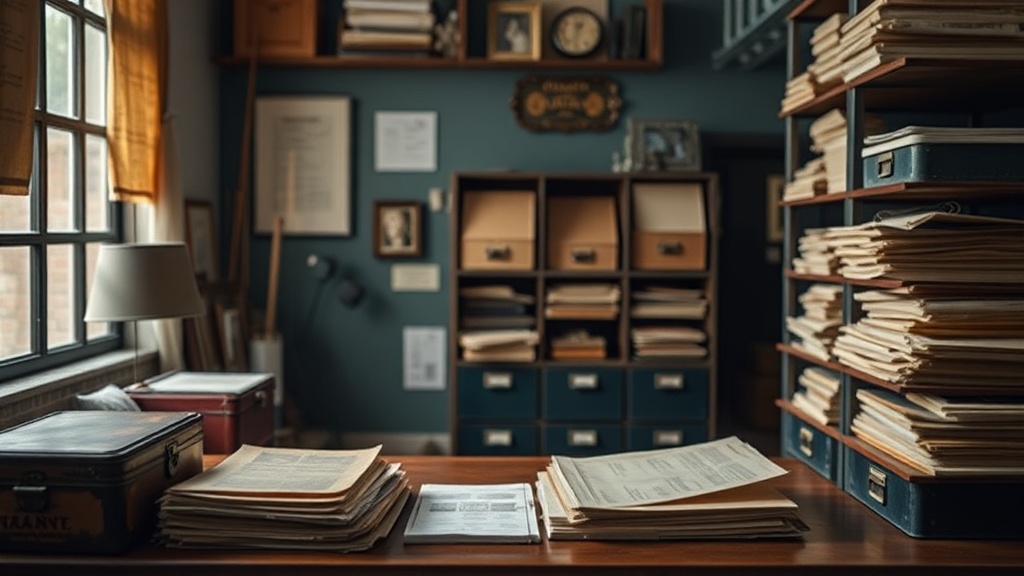
Selecting Proper Storage Solutions for Vintage Paper

Most collectors think that a simple shoebox or a plastic bin is enough to keep their vintage postcards and ephemera safe. They're wrong. Standard storage solutions often introduce the very problems they're meant to prevent—namely, acidity and moisture. This guide breaks down the specific materials and methods you need to protect your paper collection from the slow decay of oxidation and environmental damage.
What is the Best Material for Storing Vintage Paper?
The best material for storing vintage paper is acid-free, lignin-free, and chemically inert, such as archival-grade polypropylene or buffered paper. Most cheap storage solutions use wood pulp or low-grade plastics that off-gas acids. Over time, these acids migrate into your postcards, turning the edges brown and making the paper brittle. You want to look for products that meet the Library of Congress standards for paper preservation.
When you're shopping, don't just take a label's word for it. A lot of "acid-free" products on big-box sites are actually just "acid-neutralized," which is a different standard entirely. You want truly inert materials. If you're handling high-value items, even a tiny bit of leftover residue from a cheap sleeve can ruin a card's value in a few years.
Here's a quick breakdown of common materials and their risks:
| Material Type | Risk Level | Ideal Use Case |
|---|---|---|
| Standard PVC Plastic | High | Avoid entirely for collections. |
| Polypropylene | Low | Protective sleeves and top-loaders. |
| Acid-Free Cardboard | Medium | Bulk storage in archival boxes. |
| Lignin-Free Paper | Low | Backing and interleaving. |
If you're using sleeves, stick to brands like Penny Drawer or high-quality archival brands that explicitly state they are PVC-free. PVC is the enemy. It smells like a shower curtain and it's a death sentence for vintage ink.
How Should I Control Humidity for My Collection?
You should maintain a stable environment with a relative humidity (RH) between 35% and 50%. Fluctuations are actually more dangerous than a slightly high or low constant level. When humidity swings, paper fibers expand and contract—this constant movement causes warping and can lead to mold growth.
I've seen collectors in Boise deal with incredibly dry air in the winter, which makes paper brittle. On the flip side, if you keep your collection in a basement, the dampness will invite foxing (those little brown spots you see on old paper). It's a delicate balance.
A few tips for managing your environment:
- Get a Hygrometer: Don't guess. Buy a cheap digital hygrometer to monitor the actual levels in your storage room.
- Avoid the Attic/Basement: These areas have the most extreme temperature and humidity swings.
- Use Silica Gel: If you use airtight containers, include a desiccant packet. But be careful—if the container is too airtight, you might trap moisture inside.
It's also worth noting that temperature matters. Heat accelerates chemical reactions. If your room is 80 degrees, that paper is aging faster than it would at 65. While you don't need a dedicated museum-grade HVAC system, you should keep your collection in a climate-controlled part of your home.
If you notice your collection is looking a bit faded or discolored, you might also want to look into preventing sunlight fading to ensure your storage solution isn't being undermined by light exposure.
How Do I Organize Postcards Without Damaging Them?
Organize your collection using archival-safe sleeves and acid-free albums rather than stacking them directly on top of each other in a box. Direct contact between cards can lead to "ink transfer," where the ink from one card sticks to the back of another. This is especially common with older, uncoated postcards.
The way you stack things is just as important as what you stack them in. If you're using a box, don't pack it too tight. You want the items to be able to be removed without friction. Friction causes micro-scratches on the surface of the card.
Here is my preferred method for organizing a growing collection:
- Sort by Era or Subject: This helps you find things quickly without digging through piles.
- Individual Sleeving: Use polypropylene sleeves for every single card. It's extra work, but it's the only way to ensure they stay pristine.
- Vertical Storage: Instead of stacking cards in a pile, stand them up in archival boxes (like those from Litographs or specialized philatelic suppliers). This prevents weight-induced curling.
- Labeling: Never write directly on the card or the sleeve with a pen that might bleed. Use a pencil on the edge of the box or a soft-lead pencil on the back of the card if you must.
I've learned the hard way that "stacking" is a trap. You think it's fine because you're only stacking ten cards, but after five years, the weight of the top cards can cause the bottom ones to bow. Vertical filing is much safer. It also makes browsing your collection much more enjoyable.
One thing to watch out for is the "scent" of your storage. If your storage box or sleeves have a strong chemical smell, get them out of the room. That smell is a sign of off-gassing, and it's a sign that the material is not chemically stable. If it smells, it's probably eating your collection.
Don't forget about the edges. Even in a perfect sleeve, the edges of a postcard are vulnerable to moisture and physical fraying. If you're using a binder system, ensure the pages are heavy-duty and won't bend under the weight of the cards. A flimsy binder is just as bad as no binder at all.
Lastly, keep your hands clean. Before you touch your collection, wash and dry your hands thoroughly. Oils from your skin can leave permanent marks on vintage paper that are nearly impossible to remove. Some people use cotton gloves, but I find that simply having clean, dry hands is more practical for detailed handling.