The Essential Guide to Buying Postcards: A Collector's Approach

The Appeal of Collecting Postcards
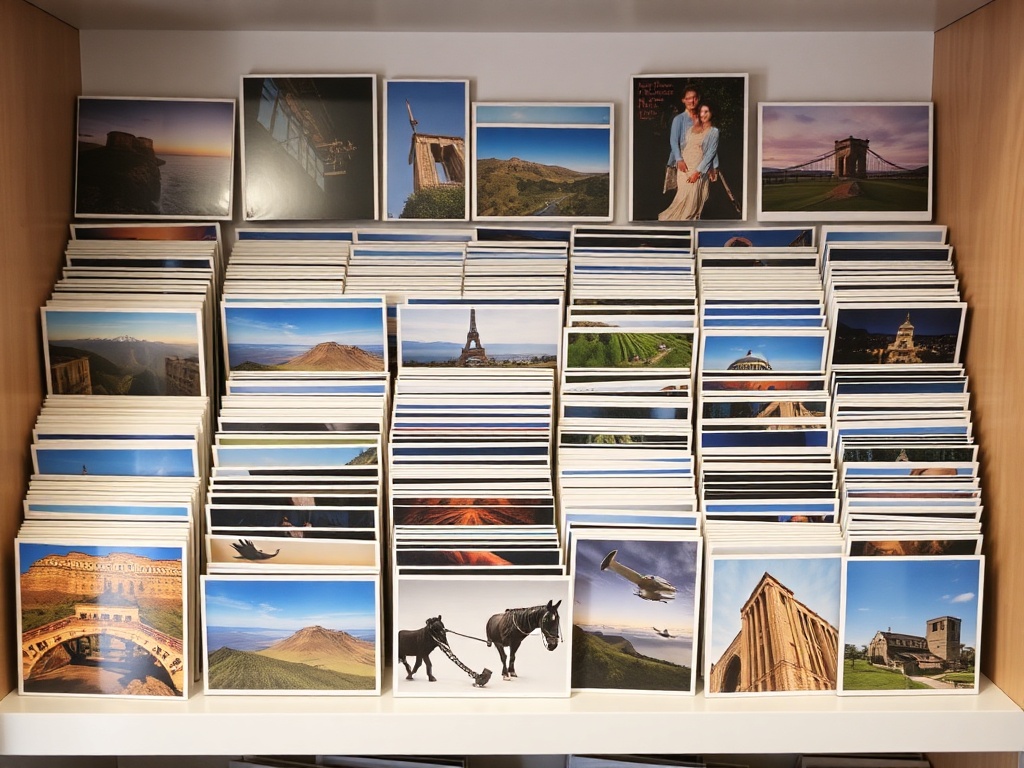
Collecting postcards is more than just a hobby. It’s a way to preserve history, capture art, and share memories from faraway places. Whether you’re drawn to vintage postcards or modern ones, each card tells a story. This guide will help you navigate the world of postcard collecting, offering tips on what to look for and how to make your collection valuable.
Postcards are not just simple souvenirs. They're windows into different eras, places, and cultures. For collectors, every postcard has a potential story behind it. For example, an old postcard from a specific city might depict the town in a way that no photograph from today can capture. With each addition to your collection, you are adding a piece of history.
In this article, we’ll break down essential steps to help you build a valuable postcard collection. Whether you’re new to the world of postcards or have been collecting for years, this guide will provide useful insights and tips to refine your approach.
What Makes a Valuable Postcard?
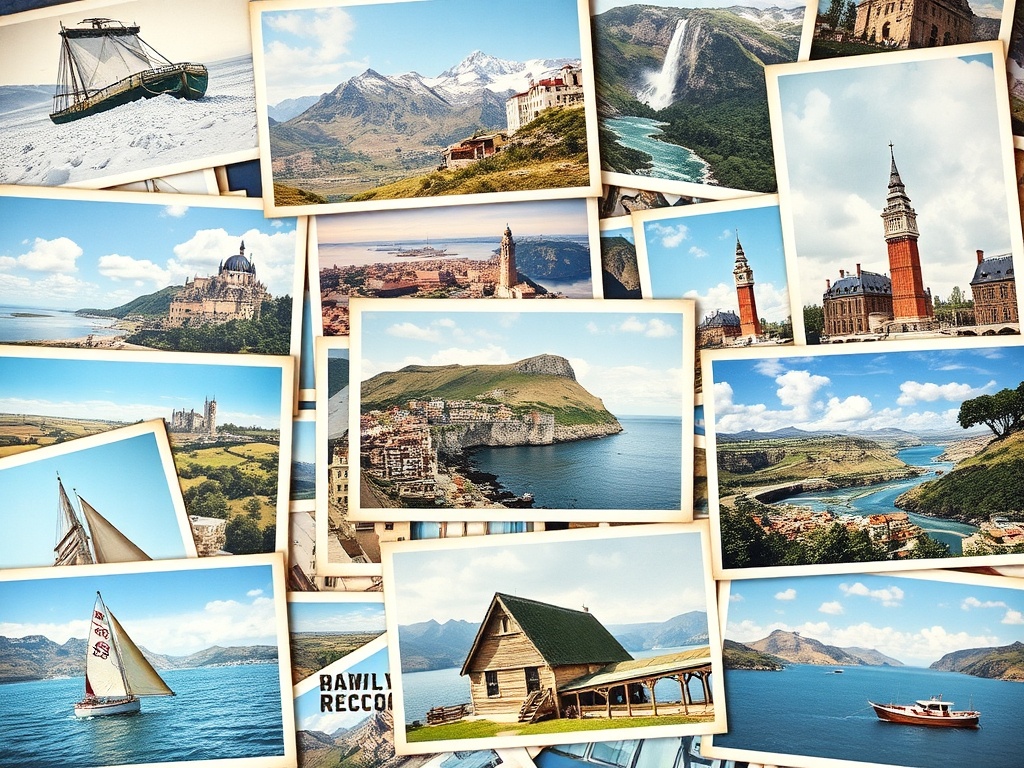
Not all postcards are created equal. When starting your collection, it’s essential to understand what makes a postcard valuable. The condition, rarity, age, and historical context of a postcard can significantly impact its worth. Let’s dive deeper into each factor that determines a postcard’s value:
- Condition: The physical state of a postcard is crucial. Cards with no creases, bends, or discoloration are considered in good condition and, therefore, more valuable.
- Rarity: Some postcards are extremely rare, either because they were produced in limited quantities or because they depict something unique, like a landmark that no longer exists.
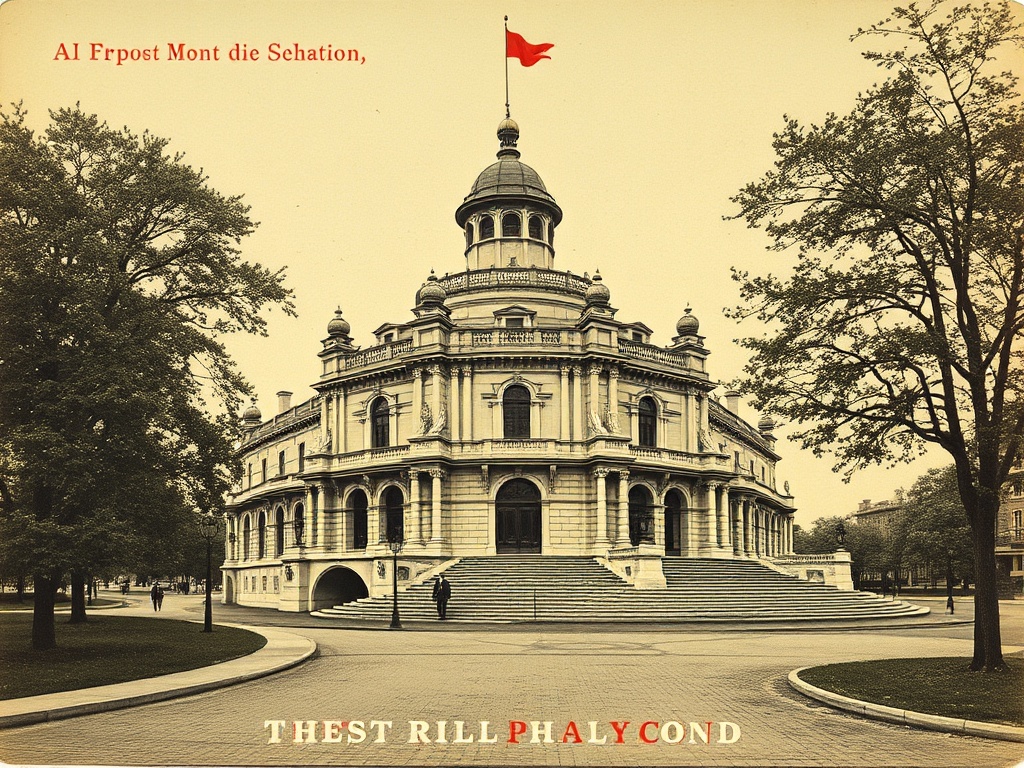
- Age: Vintage postcards, particularly those from the early 20th century or earlier, tend to be more valuable due to their age.
- Historical Significance: A postcard’s historical context can also play a significant role in determining its value. Postcards from significant events or periods, such as wars or world expos, often command higher prices.
Understanding these factors is essential when deciding which postcards to add to your collection. Additionally, knowing what you already own will help you find postcards that complement your existing set.
Where to Find Postcards for Your Collection
Building a collection starts with knowing where to look for postcards. Here are some great places to hunt for new additions:
- Postcard Shops: Many cities have specialty stores that sell postcards. Some focus on modern cards, while others offer vintage postcards that you won’t find anywhere else.
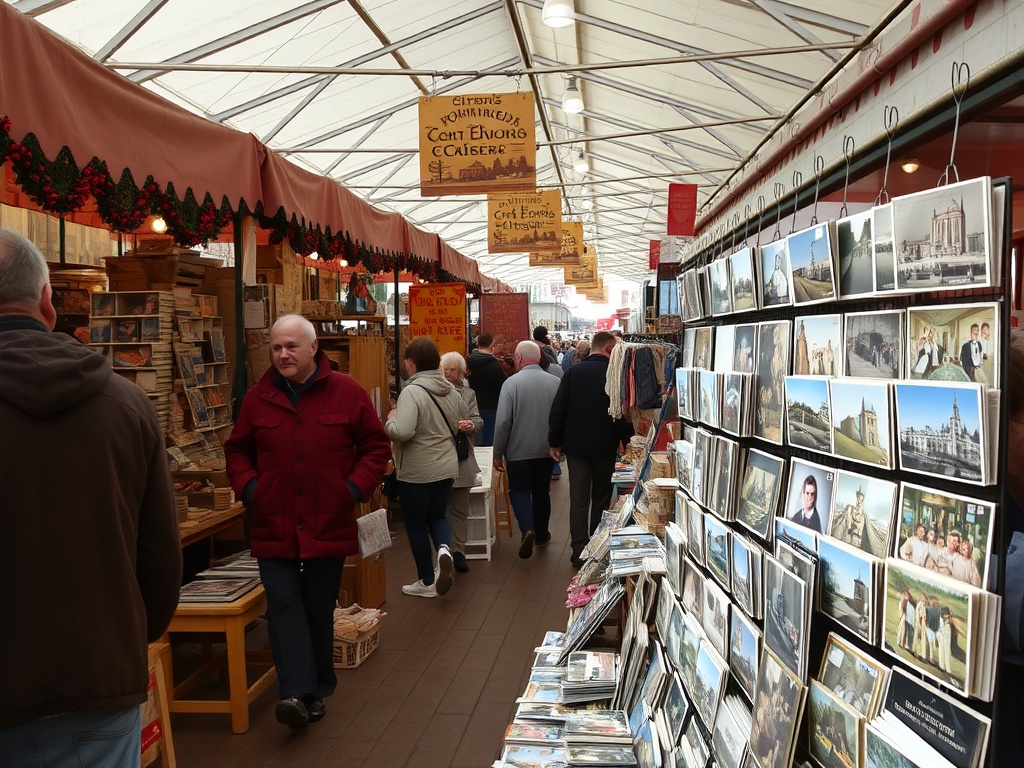
- Flea Markets & Estate Sales: These can be treasure troves for vintage postcards. Estate sales, in particular, are great places to find cards that have been kept in private collections for years.
- Online Marketplaces: Websites like eBay, Etsy, and specialized online stores are excellent resources for buying postcards. Make sure to check the seller’s reputation and verify the authenticity of the postcards before purchasing.
- Postcard Exhibitions: Attend postcard shows or exhibitions where collectors come together to buy, sell, and trade. These events can provide access to rare postcards and valuable insights from experienced collectors.
Once you’ve identified where to search for postcards, it’s essential to know how to evaluate them before adding them to your collection.
Tips for Evaluating Postcards
Not every postcard you find will be worth adding to your collection. Here are a few tips on how to assess whether a postcard is a good fit for your collection:
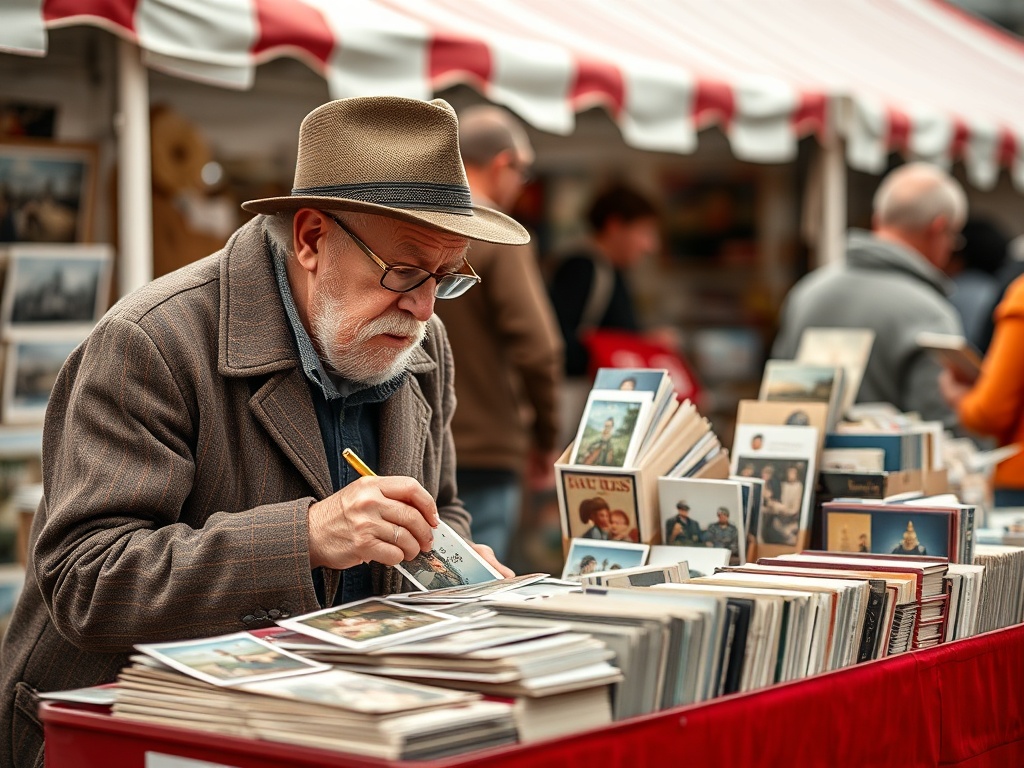
- Check for Damage: Examine the postcard for any wear and tear. A card with faded colors, wrinkles, or marks may not be valuable, even if it’s old.
- Research the Publisher: Look at the publisher’s mark on the postcard. Cards published by renowned companies or artists tend to hold more value.
- Inspect the Postmark: A postmarked postcard can be valuable, especially if it has historical significance or is from a noteworthy event.
- Look for Special Editions: Limited edition postcards, such as those from world expositions or famous events, can often be more valuable than mass-produced cards.
By following these tips, you can make smarter decisions about which postcards to purchase. As you grow your collection, your knowledge of postcards will deepen, and you’ll become more adept at spotting hidden gems.
Building a Balanced Collection
As you expand your collection, it’s important to keep it balanced. Collecting postcards should be fun, and there’s no need to obsess over a specific category or type of card. Here’s how you can balance your collection:
- Variety: Include postcards from different periods, locations, and styles. A well-rounded collection will be more interesting and can offer greater historical value.
- Focus Areas: While variety is important, consider having specific themes or categories within your collection, such as postcards from a particular city, region, or era.
- Quality Over Quantity: It’s better to have fewer high-quality cards than a large number of low-quality ones. Don’t rush the process—take your time to find cards that you truly love.
By maintaining a balanced approach to your collection, you’ll not only enjoy it more but also increase the potential value of your cards over time.